
Blogs
Home > Blogs
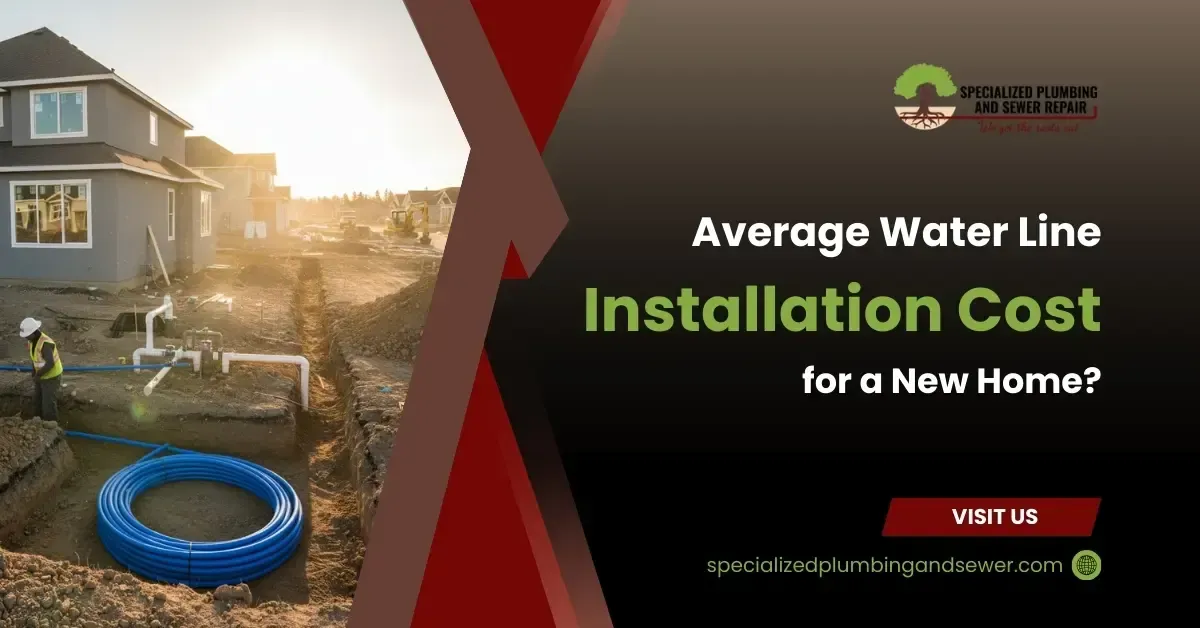
Water Line Installation Cost for a New Home: What You'll Actually Pay in 2026
The average water line installation cost for a new home project runs between $1,500 and $12,000, with most homeowners landing right around $3,750. Nobody building a new home thinks much about water lines until the contractor brings it up. You're busy picking out countertops and planning the backyard, and then the water line installation cost for the new home hits the budget conversation, and the number stops you cold.
It happened to a homeowner we helped last spring right here in Roseville, CA. She had no idea the water line from the street to her house would cost that much. Honestly, most people don't. The total lands anywhere from $1,500 to over $12,000, and that gap is real. What pushes your number up or keeps it down? That's what this guide covers, start to finish.
Key Takeaways
Most new homeowners pay between $1,500 and $12,000 for a water line installation, with the national average sitting around $3,750.
Five things drive your final cost line length: trench depth, soil conditions, installation method, and pipe material.
PEX is the best pipe choice for most new builds; it's flexible, freeze-resistant, and costs far less than copper.
Always pull permits before work starts; skipping them can stall a home sale and cost you far more later.
City water costs less upfront, but a private well eliminates your monthly water bill permanently.
How Much Does Water Line Installation Cost on Average?
For most new homes, water line installation averages $3,750, but the final number depends on how far the line runs and what's in the ground. Cost per linear foot runs $25–$85. A short, clean run on flat ground stays low.
A long run crossing rocky terrain, a driveway, or mature trees can push the total well past $10,000. The water line installation can vary widely based on your property, your location, and the pipe material you choose. Here's a quick snapshot:
Those are starting points. The five factors below are what actually move your price.
What Factors Affect the Water Line Installation Cost the Most?
Your lot size, soil type, pipe material, trench depth, and installation method these five things that decide the final price more than anything else.
Go through each one before you get a quote. You'll spot anything that doesn't add up and ask the right questions upfront.
Length of the Water Line
The longer the main water line runs, the more you pay, simple as that.
The line runs from the city's main water line on the street all the way to your home
At $50 per linear foot, a 100-foot run costs $5,000, double the length, double the total cost
Measure the distance from the water meter at your house to the property line before you call anyone
Some lines off the main supply are considered a branch line; your plumber will tell you which category applies
Every extra foot adds both material cost and labor time to the project cost
Helpful Source: What Factors Affect The Cost Of Plumbing Services?
Depth of the Trench
How deep the crew digs depends on your climate and your local frost line.
Pipes need to sit buried below the frost line so they don't freeze in winter
In colder states, the water main is buried 5–6 feet underground, which is a lot of digging
Roseville, CA has a shallow frost line around 12 inches, which keeps excavation costs lower than most of the country
Deeper trench work adds hours and equipment to the job, and both show up in your labor costs
Soil and Terrain Conditions
Not all ground digs the same way, and your soil will directly affect the price.
Loose, sandy soil is quick and easy, good for your budget
Rocky ground, heavy clay, tree roots, and sloped lots slow the crew down and add hours to the job
Tight accessibility on the property adds equipment costs on top of labor costs
Any contractor worth hiring walks the lot before quoting anyone pricing over the phone without a site visit is just guessing
Installation Method: Trenched vs. Trenchless
This one decision changes the price more than most homeowners expect.
Trenched installation: The crew digs an open trench for the water line, lays in the new pipe, and fills it back in. Runs $25–$45/ft. Works well on new bare lots where there's no landscaping or driveway to protect yet
Trenchless installation: Uses directional boring to push the pipe underground without major digging. Costs $60–$150/ft but keeps your yard and hardscaping intact. Trenchless water line methods are growing in popularity because of how little they disrupt the property
Cured-in-place pipe: A trenchless method used to reline an existing pipe from the inside. Less common on new builds, but worth knowing about
For a new Roseville home on an undeveloped lot, trenching is the right call. Go trenchless only when there's something above ground worth protecting
Pipe Material
The pipe you pick affects what you spend today and how long before you deal with it again.
Our team at Specialized Plumbing and Sewer Repair uses PEX on most new Roseville builds. It bends around obstacles, handles temperature swings, and costs far less than copper. If a long lifespan and top water supply quality matter most to you, copper is still worth every penny.
Permits and Inspection Fees: Don't Skip This
You need a permit before any water line work starts, and skipping it will cost you far more down the road. Permit fees run $50–$500, depending on your city or county. Roseville, CA, requires a permit before any water supply line work begins. Some projects need inspections at more than one stage, not just a final walkthrough.
We've seen homeowners skip the permit to save a few hundred dollars, then lose thousands when it stalls a home sale years later. This is one of the most common home improvement mistakes our team sees. Specialized Plumbing and Sewer Repair pulls permits on every single job. If a contractor ever asks you to pull it yourself, walk away. That's a red flag.
City Water Connection vs. Private Well: What's the Cost Difference?
City water costs less upfront; a private well costs more to install but wipes out your monthly water bill for good.
Here's how both options break down:
City water: The new water line running from the street to your home costs $1,500–$5,000. On top of that, the city charges a tap fee, usually $1,000–$5,000, and that number is set by the municipality, not your plumber. Switching to city water in Roseville is standard since the municipal water infrastructure already runs along most residential streets. The city line is close, which keeps connection costs reasonable
Well water: Well water setup costs $3,750–$15,300 for the well itself, plus the line running from the water main to your home on top. Higher upfront cost, but no monthly water bill after that
Hidden Costs That Catch New Homeowners Off Guard
Most contractors don't include these in the base quote, but you'll still pay them, so plan ahead. Always ask for a fully itemized quote before signing anything. Watch for these additional costs:
Driveway or concrete cutting: $500–$2,000 if the new line has to cross an existing slab or driveway
Backfill and compaction: Not always in the base price. Ask directly before assuming it's covered
Landscaping restoration: $500–$3,000 to repair the yard after open trenching
Water pressure regulator: $200–$600 if your area runs high pressure at the tap
City tap or impact fees: $1,000–$5,000 set by your municipality. This fee has nothing to do with your contractor's pricing
Re-inspection fees: Fail the first inspection, and you pay again for the second visit
DIY risks: Some homeowners try to handle parts of this themselves. For most water line work, that's a mistake. Permits, pressure testing, and code compliance aren't areas where guessing goes well
For the average cost of plumbing You can contact specialized Plumbing and Sewer Repair.
FAQs
How Much Does It Cost to Run a Water Line 100 Feet?
A 100-foot water line from the meter to the house runs $2,500–$8,500 installed, depending on soil conditions and pipe material cost.
What Pipe Material Is Best for a New Home?
PEX works best for most new builds; it's flexible, freeze-resistant, and cheaper than copper. Copper wins when lifespan and water supply quality are the priority.
How Long Does a Water Line Installation Take?
Most installs finish in 1–3 days. A long run or tough terrain can stretch it to a week.
Does Homeowners Insurance Cover Water Line Installation?
No new installs are covered. Insurance only steps in for sudden damage, like a drop in water pressure from a burst existing pipe.
What Is the Cheapest Way to Run a Water Line?
PEX or PVC with a trenchless install on a flat, clear lot. Avoid rocky soil, concrete crossings, and deep frost; these three things raise the cost to run a water line fast.
Get a Real Quote Before You Break Ground
The water line installation cost for a new home range is wide, but now you know exactly why. Length of the line, depth, soil, method, and material. Plan for those five things, and no contractor quote will catch you off guard.
If you're building in Roseville, CA, call Specialized Plumbing and Sewer Repair today. We walk every lot before quoting, pull every permit ourselves, and give you a fully itemized number, not a guess. Fill out the form below or give us a call. Let's get your new water line done right the first time.
